

Finding three inches of water throughout a home is a plumbing emergency, especially when a handyman suspects a broken main line near the kitchen or bathroom. Turning off the main water supply was the right first step because it limits additional flooding while the source is identified. Main line leak detection is the fastest way to determine whether the problem is a failed water supply pipe, a damaged drain line, a slab leak, or another hidden plumbing issue. Freedom Plumbing provides professional leak detection, emergency plumbing diagnostics, and repair recommendations for homeowners and businesses across Orange County. Here is what to do next, what a plumber will inspect, and how repair estimates are developed.
Main Line Leak Detection After Three Inches of Water
Three inches of standing water can spread quickly through flooring, walls, cabinets, and adjacent rooms. While a break near a kitchen or bathroom may be called a “main line break,” the affected pipe could be one of several systems:
- Water service line: The pressurized line that brings municipal water from the meter to the home.
- Interior main water line: The primary pressurized pipe feeding kitchen, bathroom, laundry, and other fixtures.
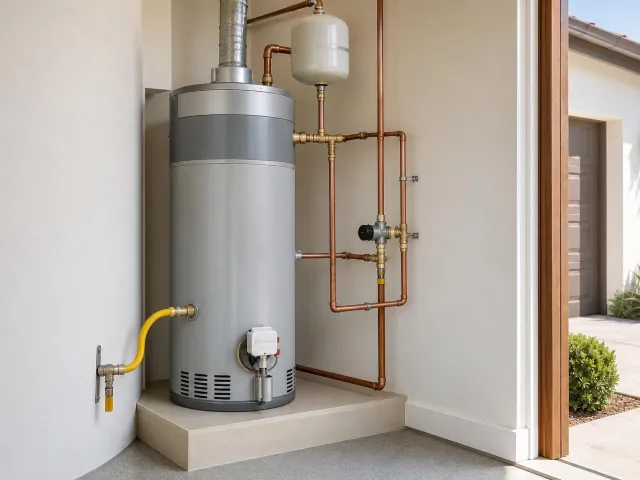
- Branch supply line: A smaller pressurized pipe serving a fixture, refrigerator, dishwasher, toilet, or water heater.
- Drain, waste, or sewer line: A damaged or blocked drain pipe that allows wastewater to back up or escape.
- Slab leak: A leak in water piping beneath a concrete foundation, which may surface near a kitchen or bathroom wall.
A pressurized supply-line break can release a significant amount of water in a short period. A drain or sewer failure may also create a sanitation concern, particularly if water came from toilets, tubs, or floor drains. For that reason, avoid assuming the problem is only a simple fixture leak. Professional main line leak detection identifies the pipe type and exact failure area before repair work begins.
Immediate Steps to Limit Water Damage
With the main line already turned off, do not turn it back on to “test” the leak. Water can re-enter damaged areas quickly and increase the cost of drying and restoration. Take these practical steps while waiting for a licensed plumber:
- Keep the main shutoff valve off. If the water source is unknown, leave the system isolated until it is inspected.
- Turn off electrical power only if it is safe. Do not enter standing water near outlets, appliances, extension cords, or the electrical panel. Contact an electrician or emergency professional if there is any uncertainty.
- Document the damage. Take photos and videos of standing water, wet flooring, affected cabinetry, visible pipe damage, and the water meter area for insurance records.
- Protect valuables and begin safe drying. Move dry belongings out of affected rooms when possible. Fans and dehumidifiers can help only after electrical safety has been addressed.
- Contact a water-damage restoration company. Quick extraction and professional moisture monitoring are important. The U.S. Environmental Protection Agency notes that wet materials should generally be dried within 24 to 48 hours to reduce mold risk.
If the water may contain sewage or came from a drain backup, avoid contact with it and keep children and pets away from the area. A plumbing repair stops the source; water mitigation professionals address wet materials, sanitization, and drying.
How Orange County Leak Detection Finds the Source
Reliable leak detection should begin with diagnosis rather than demolition. At Freedom Plumbing, our Orange County plumbing team evaluates the plumbing layout, visible conditions, meter behavior, pressure, and fixture connections to narrow down the source. Depending on the property and symptoms, the inspection may include:
- Water meter testing: With all fixtures off and the system isolated, meter movement can help confirm an active pressurized water leak.
- Pressure testing: Testing the water piping helps determine whether the supply system is losing pressure.
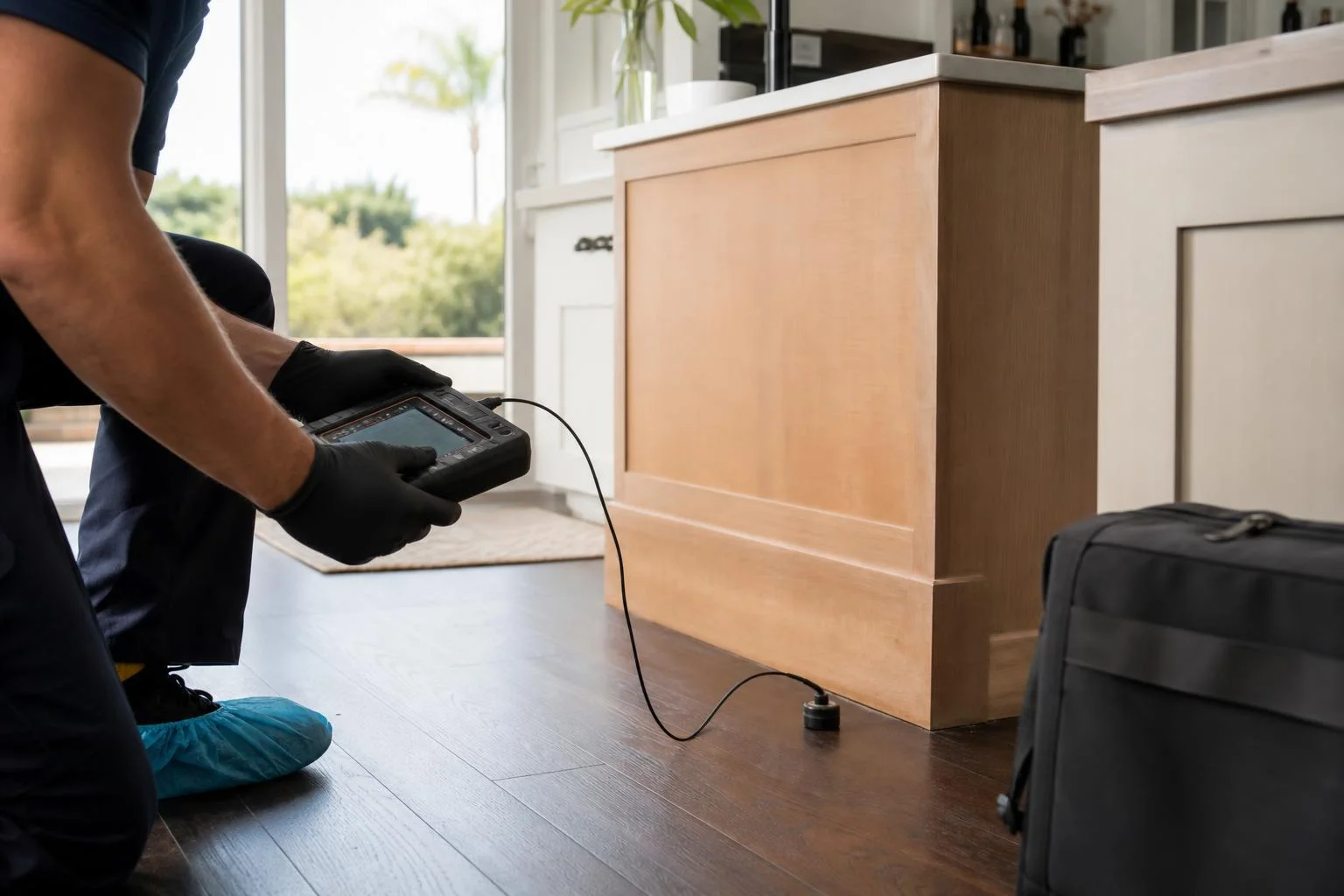
- Electronic acoustic leak detection: Specialized listening equipment can help locate the sound of water escaping inside walls, ceilings, or beneath slabs.
- Thermal imaging and moisture readings: These tools help identify moisture patterns behind surfaces and under flooring without unnecessary opening.
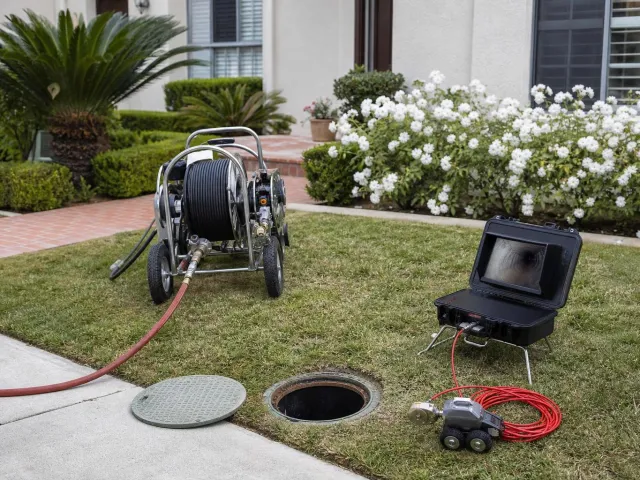
- Drain camera inspection: If a drain or sewer line is suspected, a camera can reveal cracks, root intrusion, offsets, backups, or failed connections.
In older neighborhoods of Laguna Hills, Anaheim Hills, Irvine, Mission Viejo, and nearby communities, aging galvanized piping, deteriorated copper connections, and previous remodel connections can all be potential failure points. Southern California’s hard water can also contribute to corrosion and weakened fittings over time. A precise diagnosis helps prevent a repair that addresses a symptom while leaving the actual leak unresolved.
Repair Recommendations for a Suspected Main Water Line Break
Once the leak is located, the best repair depends on the pipe material, accessibility, damage extent, and long-term condition of the plumbing system. A qualified plumber should provide clear findings, explain available options, and supply a written estimate before non-emergency repair work proceeds.
Common Repair Options
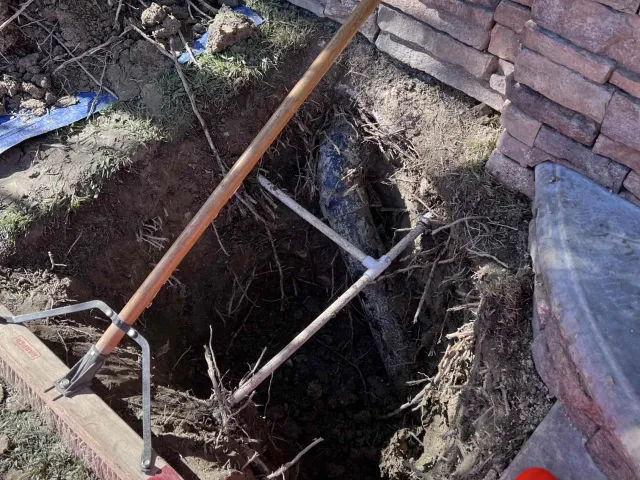
- Localized pipe repair: If a single accessible section has split, corroded, or failed, removing and replacing that section may be the most efficient solution.
- Rerouting water lines: For a leak under a slab or in a difficult-to-reach wall, rerouting a water line through an attic, wall, or other accessible route may reduce invasive concrete or floor work.
- Partial repiping: When nearby piping shows widespread corrosion or repeated leaks, replacing a larger affected section can provide better reliability than repeated patches.
- Whole-home repiping: For extensively aging plumbing, a complete repipe may be recommended as a long-term investment. This is typically considered when multiple leaks, poor water pressure, discolored water, or obsolete pipe materials are present.
- Drain or sewer repair: If the source is a broken drain line rather than a pressurized water line, repair may involve replacing a damaged section, clearing roots with rooter service, or evaluating trenchless sewer options where appropriate.
Repair estimates vary because no two leaks are identical. The final recommendation should account for the exact leak location, pipe type and diameter, access through walls or slabs, required permits, replacement materials, testing, and restoration coordination. Freedom Plumbing can separate the plumbing repair scope from drywall, flooring, cabinet, and water-damage restoration work so homeowners understand what each service includes.
What to Expect From a Plumbing Repair Estimate
A useful plumbing estimate is more than a single number. After main line leak detection, homeowners should receive a clear explanation of the issue and a repair plan built around safety, code compliance, and durability. Ask for an estimate that includes:
- The confirmed or suspected source of the water loss
- The recommended repair method and reasonable alternatives
- Materials, labor, access requirements, and testing procedures
- Whether permit requirements may apply in the local jurisdiction
- Expected water shutoff duration and steps for restoring service
- Warranty information for plumbing work
- Any work that is excluded, such as mold remediation or finish restoration
For an active flood, speed matters, but accurate diagnosis matters too. A handyman may identify a visible area of concern, yet hidden supply and drain piping often require professional testing to avoid opening the wrong wall or making an incomplete repair. Freedom Plumbing’s trained technicians can evaluate the issue, isolate the damaged line, and recommend a practical repair based on the conditions found onsite.
Preventing Future Kitchen and Bathroom Water Leaks
After emergency repairs are complete, a few maintenance measures can reduce the chance of another disruptive leak. Inspect supply hoses at sinks, toilets, dishwashers, refrigerators, and washing machines at least once a year. Replace bulging, corroded, or aging rubber hoses with quality braided supply lines. Know where the main shutoff is located, make sure it is accessible, and test its operation periodically. For homes with older piping in Orange County, scheduling a plumbing inspection can identify corrosion, pressure concerns, and vulnerable connections before they become a major flood.
Three inches of water in a home requires urgent attention, and keeping the main water line turned off is the safest move until the source is confirmed. Professional leak detection can distinguish between a pressurized main line break, a branch-line failure, a slab leak, or a drain problem near the kitchen or bathroom. Freedom Plumbing provides Orange County homeowners and businesses with careful diagnostics, clear repair recommendations, and written estimates for dependable plumbing repairs. If your property in Laguna Hills, Irvine, Anaheim Hills, Mission Viejo, or a surrounding community has standing water or a suspected main line leak, contact Freedom Plumbing now to schedule emergency leak detection and get a clear path toward safe repairs.