

A small damp spot near a concrete floor can be an early warning of a much larger plumbing issue. In many Southern California homes, water lines run beneath slab foundations, behind finished walls, or through hard-to-reach areas where leaks can remain hidden for weeks. Professional leak detection in Orange County helps homeowners identify the source of unexplained moisture without unnecessary demolition. Using noninvasive tools such as acoustic listening devices, thermal imaging, and moisture meters, a qualified plumber can narrow down the problem and recommend the most efficient repair. Whether you live in Laguna Hills, Irvine, Anaheim Hills, or another nearby community, acting quickly can help protect your flooring, foundation, and water bill.
Why Leak Detection in Orange County Matters for Slab Homes
Many Orange County properties are built on concrete slab foundations. While slabs are durable, the plumbing pipes below them can develop problems over time. Pipe movement, corrosion, mineral buildup, high water pressure, aging materials, and shifting soil can all contribute to a hidden water leak.
A slab leak occurs when a water line beneath the concrete foundation starts leaking. Because the water is not immediately visible, homeowners may first notice indirect symptoms rather than a burst pipe. A professional plumbing inspection is the safest way to determine whether water is coming from a supply line, drain line, appliance connection, irrigation source, or another area of the home.
According to the U.S. Environmental Protection Agency, household leaks can waste nearly 10,000 gallons of water annually. In Orange County, where water conservation matters and utility costs can add up quickly, early leak repair can prevent avoidable waste as well as expensive structural damage.
Common Signs of a Hidden Water Leak
Call for professional leak detection if you notice one or more of these warning signs:
- A warm, damp, or discolored area on tile, wood, carpet, or concrete flooring
- Water pooling near an interior wall, baseboard, or slab edge
- The sound of running water when all faucets and fixtures are turned off
- A sudden or unexplained increase in your water bill
- Musty odors, peeling paint, warped flooring, or mold-like staining
- Low water pressure at several fixtures
- A water meter that continues moving after water use has stopped
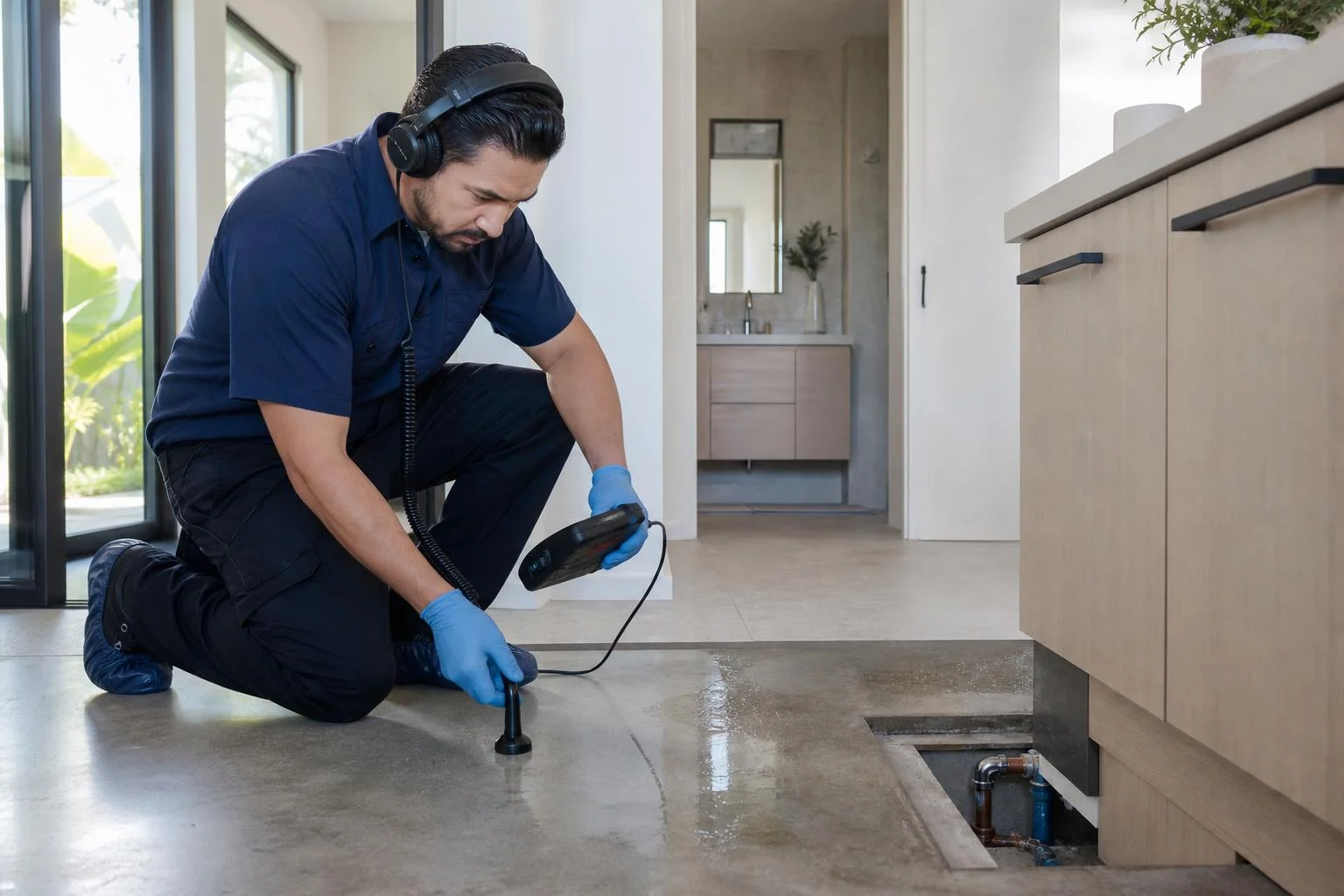
A visible patch of seepage near a concrete floor should never be ignored. It may be caused by a plumbing leak, but it can also result from exterior drainage, a leaking water heater, a damaged appliance line, or moisture entering through the foundation. Accurate testing prevents guesswork and helps avoid repairing the wrong area.
How Noninvasive Leak Detection Equipment Finds the Source
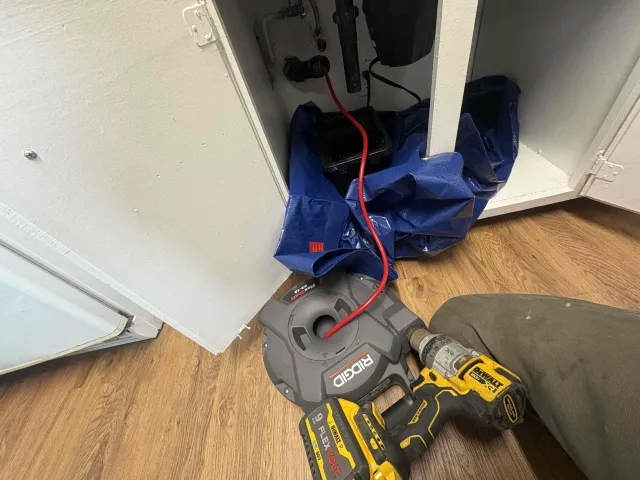
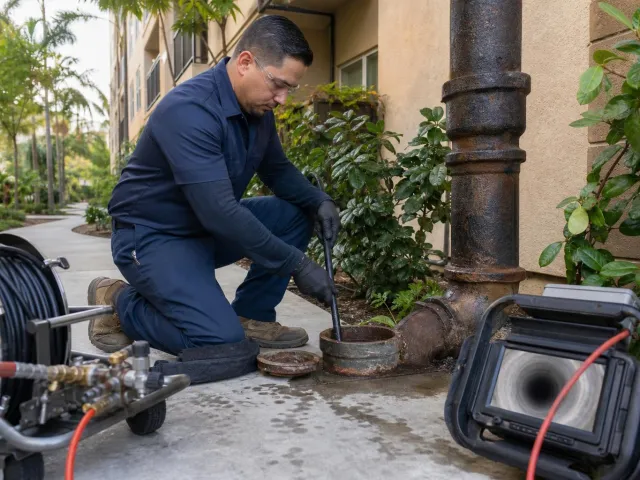
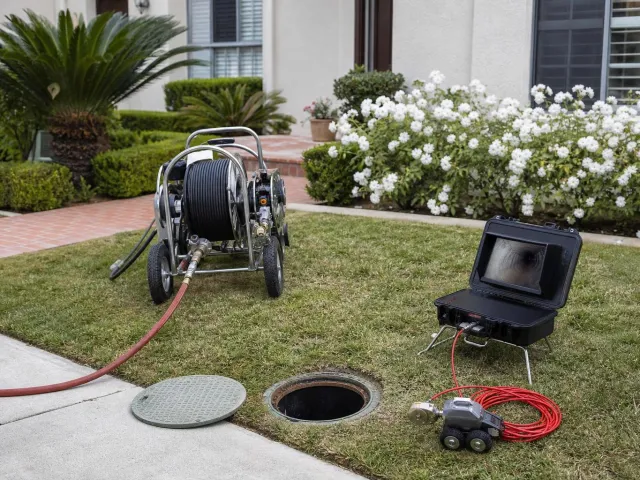
Modern leak detection is designed to locate suspected leaks with minimal disruption to your home. Instead of immediately breaking open flooring or walls, an experienced technician performs a systematic inspection and uses specialized tools to gather evidence.
At Freedom Plumbing, the inspection process may include:
- Visual evaluation: The technician checks the visible seepage area, nearby fixtures, water heater connections, cabinets, walls, and exterior plumbing conditions.
- Water meter testing: Monitoring the meter can help indicate whether water is escaping from a pressurized supply line while fixtures are off.
- Acoustic leak listening: Sensitive electronic equipment can detect the sound patterns created by pressurized water escaping from a pipe under concrete or behind a wall.
- Moisture and thermal scanning: Moisture meters and thermal imaging can identify unusual dampness or temperature changes that help narrow the search area.
- Pressure testing: Testing individual plumbing systems helps determine whether the issue involves a water line, drain line, or another plumbing component.
Noninvasive testing does not mean every repair can be completed without access work. If a pipe beneath a slab is confirmed to be leaking, targeted access may be necessary. However, precise detection helps reduce the size of the opening, protects more of your finished interior, and supports a more accurate repair plan.
Southern California Plumbing Challenges That Can Cause Leaks
Orange County plumbing systems face conditions that are different from those in many other regions. Local homes may have older galvanized piping, copper lines installed decades ago, newer PEX systems, or a mix of materials from remodels and additions. Each system has different maintenance needs.
Hard water is a frequent concern throughout Southern California. Mineral deposits can affect fixtures, water heaters, valves, and pipe interiors over time. Older homes in communities such as Anaheim Hills, Mission Viejo, Tustin, and Laguna Hills may also have aging pipes that are more susceptible to corrosion or pinhole leaks.
Other local factors can include:
- Expansive or shifting soils: Small movements can stress underground plumbing connections.
- High water pressure: Excessive pressure can shorten the lifespan of supply lines, valves, and appliance hoses.
- Hot summer weather: Increased irrigation use and outdoor water demand can expose weak points in plumbing systems.
- Remodeling and additions: Altered plumbing routes or aging connections can create hidden vulnerabilities.
A licensed plumber can evaluate these conditions and recommend practical steps, such as pressure regulation, pipe repair, water heater maintenance, drain cleaning, or repiping when appropriate.
What to Do When You See Water Seepage Near a Concrete Floor
If you discover a small wet spot inside your home, prompt action can limit damage. Avoid assuming it is just condensation or a spill, especially if the moisture returns after drying the area.
Take These Steps Before the Plumber Arrives
- Dry the visible water and monitor whether the area becomes wet again.
- Move rugs, furniture, electronics, and valuables away from the affected location.
- Do not drill into the floor, remove tile, or break concrete before testing is completed.
- Check for obvious sources, such as a nearby refrigerator line, washing machine hose, toilet supply line, or water heater.
- Turn off the home’s main water supply if water is actively spreading or a major leak is suspected.
- Document the issue with photos and note when you first noticed it, which can help with plumbing diagnosis and insurance discussions.
Do not use chemical drain cleaners or attempt to seal a suspected plumbing leak with temporary products. These approaches do not fix a damaged pipe and may make a future repair more difficult. A professional inspection provides a clear diagnosis before repair work begins.
Choose a Local Plumber for Accurate Leak Repair
The best leak repair starts with finding the correct source. A reliable Orange County plumbing company should explain the inspection findings, discuss repair options in straightforward terms, and help you understand the likely scope of work before proceeding. Depending on the location and condition of the pipe, solutions may include a targeted spot repair, pipe rerouting, epoxy restoration where appropriate, or replacement of deteriorated sections.
Freedom Plumbing serves residential and commercial customers throughout Orange County with responsive rooter service, drain cleaning, pipe repair, water heater services, and general plumbing support. Our team understands the slab foundations, hard-water conditions, and aging plumbing systems found across Southern California properties.
Schedule Professional Leak Detection Before Damage Spreads
Hidden plumbing leaks rarely improve on their own. A small area of water seepage can lead to damaged flooring, mold concerns, higher water bills, and more extensive repairs if it is left unresolved. Professional leak detection in Orange County uses accurate, noninvasive methods to locate the source and minimize unnecessary disruption to your home. If you have noticed a damp concrete floor, unexplained water use, or the sound of water behind walls, contact Dymek’s Freedom Plumbing today. Our local plumbing professionals can inspect the issue, explain your options, and provide dependable repair solutions for homes and businesses throughout Orange County.