
Old or failing water lines can cause more than an occasional leak. They may contribute to low water pressure, rusty-looking water, recurring slab leaks, and costly damage behind walls. PEX repiping replaces aging hot- and cold-water supply lines with durable, flexible piping designed for dependable everyday performance. For homeowners in Orange County communities such as Laguna Hills, Irvine, Anaheim Hills, and nearby Southern California cities, understanding what a repipe includes makes it easier to plan confidently. This guide explains the typical scope of a whole-home PEXa repipe, from fixture connections and wall access to required safety testing, warranties, repairs, and project timing.
What Is PEX Repiping and When Is It Needed?
PEX repiping is the process of replacing a home’s existing potable-water supply piping with new cross-linked polyethylene (PEX) piping. It applies to both hot-water and cold-water lines, which deliver water from the main service and water heater to faucets, toilets, showers, laundry connections, refrigerator ice makers, and outdoor hose bibbs.
Repiping is often recommended when a home has aging galvanized steel or deteriorating copper lines. While copper remains a proven plumbing material, older copper systems can develop pinhole leaks, corrosion, or restricted flow over time. Orange County’s mineral-rich water conditions and a property’s age can both affect the condition of a plumbing system.
Common signs that it may be time to call Freedom Plumbing for a professional repipe evaluation include:
- Repeated leaks in water lines, ceilings, walls, or slabs
- Low pressure at multiple fixtures
- Discolored, metallic-tasting, or sediment-filled water
- Water bills that rise without an obvious explanation
- Visible corrosion on exposed pipes or valves
- Frequent repairs on an older plumbing system
A professional inspection helps determine whether a localized pipe repair is appropriate or whether replacing larger portions of the system offers better long-term value.
Uponor PEXa Piping for Hot and Cold Water Lines
Uponor PEXa is a flexible piping material commonly selected for residential water-line replacement. Its flexibility allows trained plumbers to route lines through walls, ceilings, and other accessible building areas with fewer fittings than rigid piping in many applications. Fewer concealed connections can help simplify the layout and support a clean, organized installation.
A typical PEXa repipe can provide new hot and cold water connections for key plumbing fixtures, including:
- Water closets, also known as toilets
- Lavatory or bathroom sinks
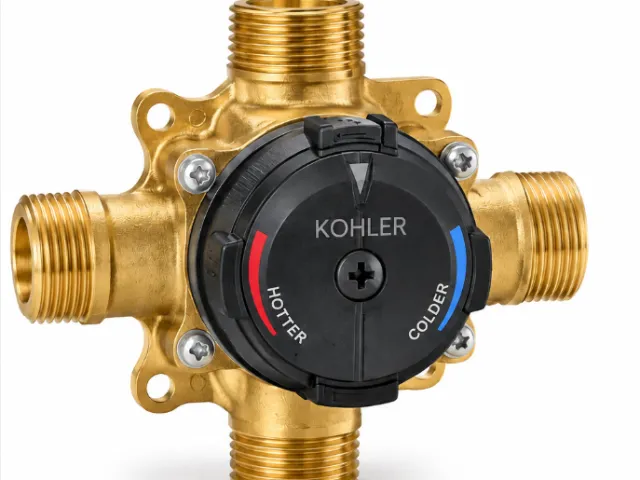
- Existing shower valves
- Kitchen refrigerator or ice-maker lines
- Laundry connections
- Exterior hose bibbs
- Water heater supply connections
Some fixtures, such as a Roman tub valve, may be served by existing copper piping that is still in a location where direct replacement would be impractical. In these cases, a qualified plumber can connect the new PEXa piping to the existing compatible lines, provided the existing connection point is suitable for the installation.
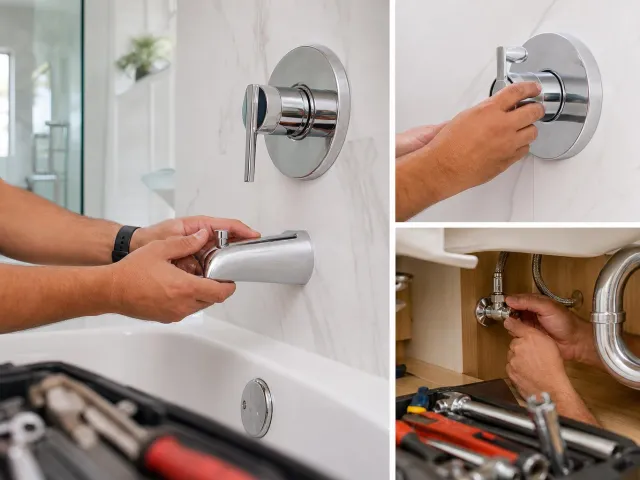
New quarter-turn angle stops and supply hoses are also important details in a complete fixture reconnection. These valves make it easy to isolate water to an individual toilet or faucet during future maintenance without shutting down water to the entire property.
Pressure Regulators and Main Shutoff Valves Matter
A whole-home water-line project is an ideal time to inspect critical main-service components. The pressure-reducing valve, or PRV, controls excessive incoming municipal water pressure. High pressure can place unnecessary stress on supply lines, appliance hoses, fixture valves, and water heater components.
Replacing an aging PRV and installing a reliable main ball valve can improve the home’s ability to manage water pressure and shut off water quickly in an emergency. Homeowners should ask their plumber to verify pressure after installation. Many residential plumbing systems perform best when pressure is maintained within a safe manufacturer- and code-appropriate range.
What Happens During a Professional Orange County Repipe?
A properly managed repipe is designed to restore reliable water service while minimizing disruption. Freedom Plumbing plans fixture access, pipe routing, isolation procedures, and restoration needs before work begins. Most residential projects require selected access openings in drywall, and exterior access may occasionally be needed for hose bibb or service-line connections.
Although every property differs, a typical installation process includes:
- Pre-project review: Confirm fixtures, connections, pipe routes, exclusions, and required access areas.
- Lead and asbestos testing: Test materials before opening drywall in older homes where lead or asbestos may be present.
- Access and installation: Open necessary areas and run new Uponor PEXa hot- and cold-water lines to specified fixtures.
- Fixture reconnection: Install new angle stops and supply hoses, reconnect faucets and toilets, and reset affected fixtures such as a toilet.
- Testing: Inspect and test the completed water piping and connections before closing access areas.
- Restoration: Complete included drywall and exterior stucco patching, generally after plumbing work is finished.
For a straightforward scope, the active plumbing portion of a repipe may be completed in as little as one to two business days. Drywall patching is often scheduled for the next business day after the repipe is complete. Exact timing depends on the home’s layout, access conditions, testing requirements, permit requirements where applicable, and any unforeseen conditions discovered after walls are opened.
Lead, Asbestos, Drywall, and Other Repipe Considerations
Older Orange County homes may contain building materials that require special handling. Lead and asbestos testing before opening drywall is a responsible safety measure that helps protect occupants, workers, and the project schedule. If results are positive, abatement, remediation, or specialized cutting procedures may be required before plumbing work can continue. Those services should be clearly identified, separately authorized, and priced when necessary.
Homeowners should also understand what restoration includes. Standard drywall and exterior stucco patching may be part of a repipe scope, but custom texture matching, painting, and precise color matching are often separate services. Asking these questions in advance helps avoid surprises:
- Which walls, ceilings, or exterior areas may require access?
- Is drywall patching included, and when will it be completed?
- Are painting and texture matching included?
- Will the irrigation system remain separate from the domestic water piping?
- Is water heater replacement included, or are only water connections being repiped?
Irrigation is commonly excluded from a domestic water repipe unless it is specifically listed in writing. Likewise, connecting new lines at a water heater does not necessarily mean that water heater replacement is included. Clear written scope protects the homeowner and ensures that each plumbing system receives the right service.
Protecting Your Investment After PEX Repiping
New piping is a significant home improvement, and warranty details should be reviewed before the project begins. Uponor PEXa piping may carry a manufacturer warranty, while the plumbing contractor may provide a separate workmanship warranty for installation. Valves, PRVs, angle stops, and supply lines can have their own warranty periods because they are separate components with different manufacturers and expected service lives.
Even with quality materials and expert installation, homeowners can help protect their plumbing by monitoring for pest activity, avoiding unapproved modifications, and promptly addressing unusual changes in pressure or water usage. Damage caused by rodents, insects, or other pests is generally not considered a material or workmanship defect and may not be covered by warranty.
It is also wise to keep documentation of the repipe layout, warranties, testing results, and final invoices. This information can be valuable for future plumbing service, remodeling plans, and potential home sales.
Choose Freedom Plumbing for PEX Repiping in Orange County
A successful repipe requires more than installing new pipe. It requires careful planning, safe access procedures, dependable fixture reconnections, pressure control, thorough testing, and honest communication about exclusions and restoration. PEX repiping with Uponor PEXa can provide a durable solution for homeowners facing aging water lines, recurring leaks, or inconsistent water pressure. From Laguna Hills and Irvine to Anaheim Hills and throughout Orange County, Dymek’s Freedom Plumbing delivers knowledgeable residential and commercial plumbing support tailored to the property’s needs.
If you are concerned about aging copper or galvanized lines, unexplained leaks, or declining water pressure, contact Dymek’s Freedom Plumbing today. Our experienced local plumbers can inspect your system, explain your options, and provide a clear, detailed repipe estimate so you can move forward with confidence.